
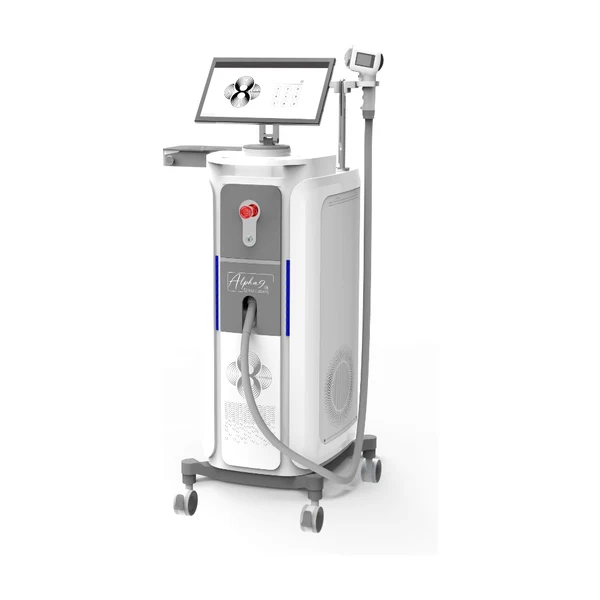
How quickly can a professional laser pay for itself?
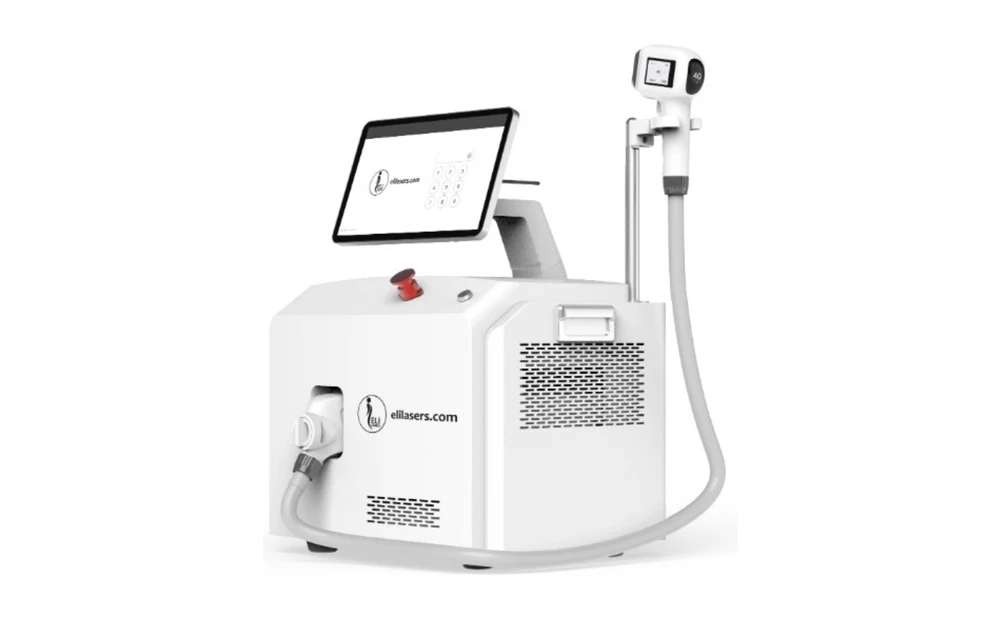
"How long will it take to pay for itself?" is the first question we hear in almost every consultation about professional equipment. And it is the right question: a laser is not an expense but an investment, so it should be judged the way investments are judged — by income, costs and payback period.
In this article we set out the simple, transparent calculation our payback calculator uses, work through three realistic scenarios and discuss what speeds payback up and what slows it down. One thing to be clear about from the start: all these calculations are indicative and depend on the assumptions you enter — they are not a promise of a financial result.
The payback formula — simpler than it looks
The calculator uses four figures that you either know or can estimate realistically:
- Price per treatment — what a client pays on average for one visit;
- Clients per week — how many treatments you actually carry out;
- Monthly costs — rent, consumables, marketing and other operating expenses;
- The financing instalment (if you are buying the device on credit).
Then: monthly income = price per treatment × clients per week × 4.33 (weeks in a month). Subtract costs and the instalment from income and you have your monthly margin, and the payback period = the price of the device ÷ the monthly margin. Note the important part: payback is calculated from margin, not from income — that is the most common mistake, and it flatters the result.
Three scenarios with real devices
Take three devices from our catalogue and conservative assumptions: €60 per treatment, €400 a month in operating costs, no financing instalment.
| Device | Price | Clients / week | Monthly margin | Payback |
|---|---|---|---|---|
| Portable DI | €8,800 | 10 | ~€2,200 | ~4 months |
| Laser with AI | €11,210 | 15 | ~€3,500 | ~4 months |
| CLens | €14,800 | 20 | ~€4,800 | ~4 months |
The pattern is clear: a more expensive device does not "take longer to pay for itself" — it is built for higher volume, so the payback period stays similar while the absolute margin grows. That is exactly why the device should be chosen to match the volume you expect, something we cover in detail in the guide "How to choose a professional hair removal laser".
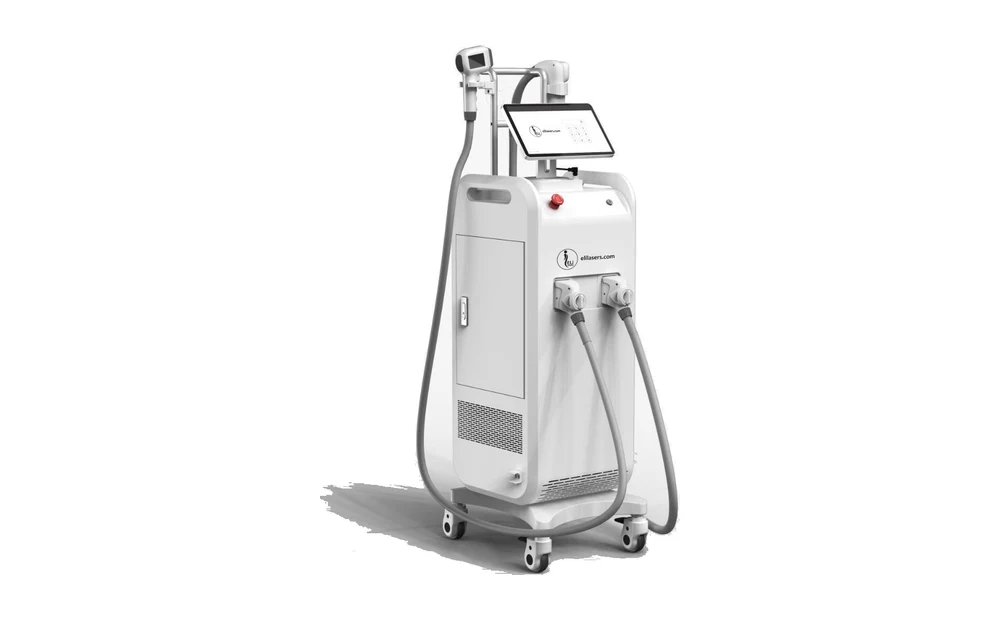
A course-based service — your secret ally
Laser hair removal is a course-based service: for a full result a client comes six to ten times, every few weeks. For a business that means predictable income — every new client is not a single visit but several months of revenue. Once the diary is full, most visits are repeat visits, and the marketing cost of attracting a new client falls.
The practical conclusion: in the first months put all your attention into attracting new clients, even if that means working at introductory prices — every client you win today will be working on your payback for the next six months.
What speeds payback up
- A full diary. The difference between 10 and 20 clients a week halves your payback period. Working speed is critical here — the large-window handpiece on CLens lets you cover large areas faster and take more clients in a day.
- Service packages. Selling courses up front (a package of six treatments, say) improves cash flow and client commitment.
- Additional services. The same clients are often interested in electrolysis for the light hairs that remain, or in body treatments — the average basket grows without extra marketing.
- A low cost per treatment. Gel, single-use items and electricity come to only a few euros per treatment — and ordering consumables from us keeps supply steady and uninterrupted.
What slows payback down
- Downtime from faults. Every day not working is lost income. That is why it matters to choose a supplier with real service behind it: as direct representatives of the manufacturer we provide fast technical support, and proper maintenance avoids most faults altogether.
- Unrealistic prices. Prices set too low lock your diary up with visits that earn little. Count margin, not turnover.
- Hidden up-front costs. If training, installation or a starter set of consumables was not included in the offer, the real investment is larger. How to check an offer is covered in a separate guide.
Financing: payback with no up-front investment
Buying on credit through the Bigbank platform (for companies registered in Lithuania) changes the logic entirely: the question "when do I get my investment back?" disappears, because there is no large one-off investment. In its place is a monthly instalment, which the calculator includes among your costs. If the margin after that instalment stays solidly positive (thousands of euros a month in our examples), the device effectively buys itself out of your client flow.
Sensitivity analysis: what if the plan does not work out?
A professional calculation always answers the uncomfortable question too: "what if things go worse than I planned?" Take the middle scenario (a €11,210 device, €60 a treatment, €400 a month in costs) and see how payback responds to change:
| Scenario | Clients / week | Monthly margin | Payback |
|---|---|---|---|
| Pessimistic | 7 | ~€1,400 | ~8 months |
| Base case | 15 | ~€3,500 | ~4 months |
| Optimistic | 25 | ~€6,100 | ~2 months |
The key conclusion: even in the pessimistic scenario — just seven clients a week, one client per working day — the investment pays for itself within a year. That kind of floor test is what lets you make the decision with a clear head: ask yourself not "how much will I earn at best?" but "will I survive at worst?".
The metrics worth tracking every month
Payback is not a one-off calculation but a process to be watched. Four metrics are enough for a new practice:
- Utilisation — what percentage of your available treatment slots is filled; this is the most sensitive early signal;
- New clients — this shows whether your marketing is working; in a course-based service even eight to ten new clients a month builds solid flow;
- Completion rate — how many clients finish a full course; a low figure usually points to problems with comfort or communication rather than price;
- Average basket — grows as you sell packages and additional areas to the same client.
Review these numbers once a month and update your payback forecast in the calculator — that way you will see early whether you are on plan.
A second income line: accessories and wider services
Payback can also be accelerated by earning more from the flow you already have:
- Home care products. Clients ask what to use on their skin after a treatment — oils and other products from the catalogue can become an additional sales line;
- Additional areas. A client who starts with underarms often adds legs or the bikini area — offer it actively;
- A second technology. Once the core business is running, electrolysis or body treatments let you earn more from the same clients — when to take that step is discussed in a separate article.
An example month by month: what the real path looks like
Let us put it all into one story. Suppose a practitioner buys the laser with AI (€11,210) with financing, charges €60 a treatment and has costs including the instalment of around €700 a month:
- Month 1. The device is installed and the training is done. Clients are mostly acquaintances and models at introductory prices: six to eight a week. The margin is modest but already covers the instalment;
- Months 2–3. Social media content and the first referrals are working: 10–12 clients a week, full prices for new ones. Monthly margin is already in the thousands;
- Months 4–6. The first clients buy full courses and the diary fills with repeat visits: 15+ clients a week. On cumulative margin, the device has usually paid for itself by this stage;
- Month 7 onwards. Volume is steady and a new question arises — not "will it pay for itself" but "what should I add": more hours, a second practitioner, or a second technology.
This trajectory is generalised but typical: a slow first month is the norm, and the turning point comes when course clients start coming back.
An important note about numbers on paper
Every calculation in this article is a simplified business planning tool: it contains no taxes, which depend on the legal form of your business, and no personal expenses. Before making a final decision, discuss your scenario with an accountant — while we will gladly work through the technical side (device throughput, treatment speed, cost per treatment) with you in a consultation. A serious investment deserves both viewpoints.
The essentials at a glance
- Payback = the price of the device ÷ the monthly margin (not income);
- With a full diary, all our devices pay back at a similar rate — the more expensive one simply earns more;
- The course-based service works for you: every new client is several months of revenue;
- Test the floor: how many clients do you need just to cover your costs?
- With financing the device buys itself — the instalment simply becomes a cost line.
Frequently asked questions
Is payback in two to four months realistic?
With a full diary, yes — the numbers show it. But filling a diary takes time: it is more realistic to plan on reaching full capacity in three to six months and full payback in six to twelve. That is still an exceptionally good return for an equipment investment.
How do I calculate if the device will be used for several services?
Add up the projected income from all of them. A tattoo removal laser, for example, often works alongside hair removal services — the combined margin is calculated together.
Does the calculator apply to devices other than hair removal lasers?
Yes — the formula is universal for any treatment equipment, from a lymphatic drainage massage device to a pain therapy laser. Every device page carries the calculator with that device's price already filled in.
Where do the mistakes usually happen?
Costs get forgotten (rent, marketing), client numbers are too optimistic, and payback is calculated from income instead of margin. Calculate conservatively — let reality surprise you in the right direction.
Is it worth waiting for a promotion, or buying now?
Count the income you would forgo rather than the discount: if a device generates several thousand euros of margin a month, waiting three months for a "better price" costs more than any real discount. The launch promotions in our catalogue apply right now — and the diary only starts filling once you start working.
Should payback be calculated before or after paying myself?
After, properly speaking: if the practice is your main source of income, include the amount you pay yourself in your monthly costs. Then the payback figure shows the true surplus of the business rather than a blend of personal and business money. If you are starting alongside another job, this question can wait — but as the business grows, the discipline of paying yourself a wage becomes the best measure of financial health.
Would you like us to go through the numbers with you? Book a consultation — we will discuss your plan, help you choose a device and build a realistic payback scenario. You can compare all the devices here. Bring your own numbers or we will work them out together from scratch — what matters is that you make the decision on a realistic scenario rather than on sales promises. Call +370 620 66666 or leave an enquiry and we will reply the same working day.