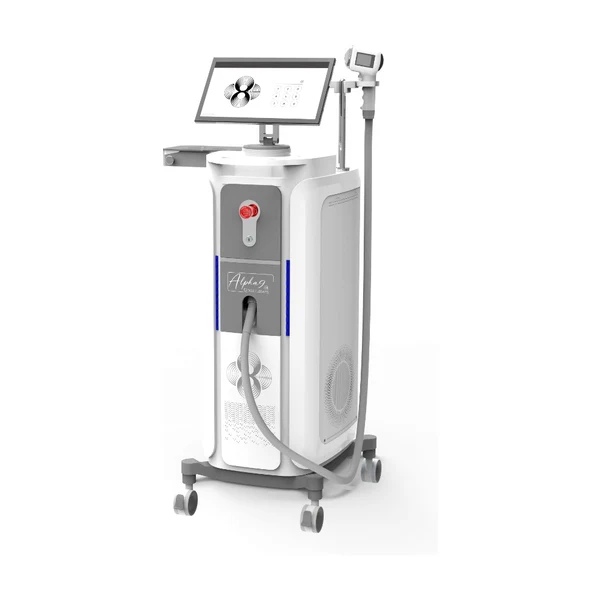
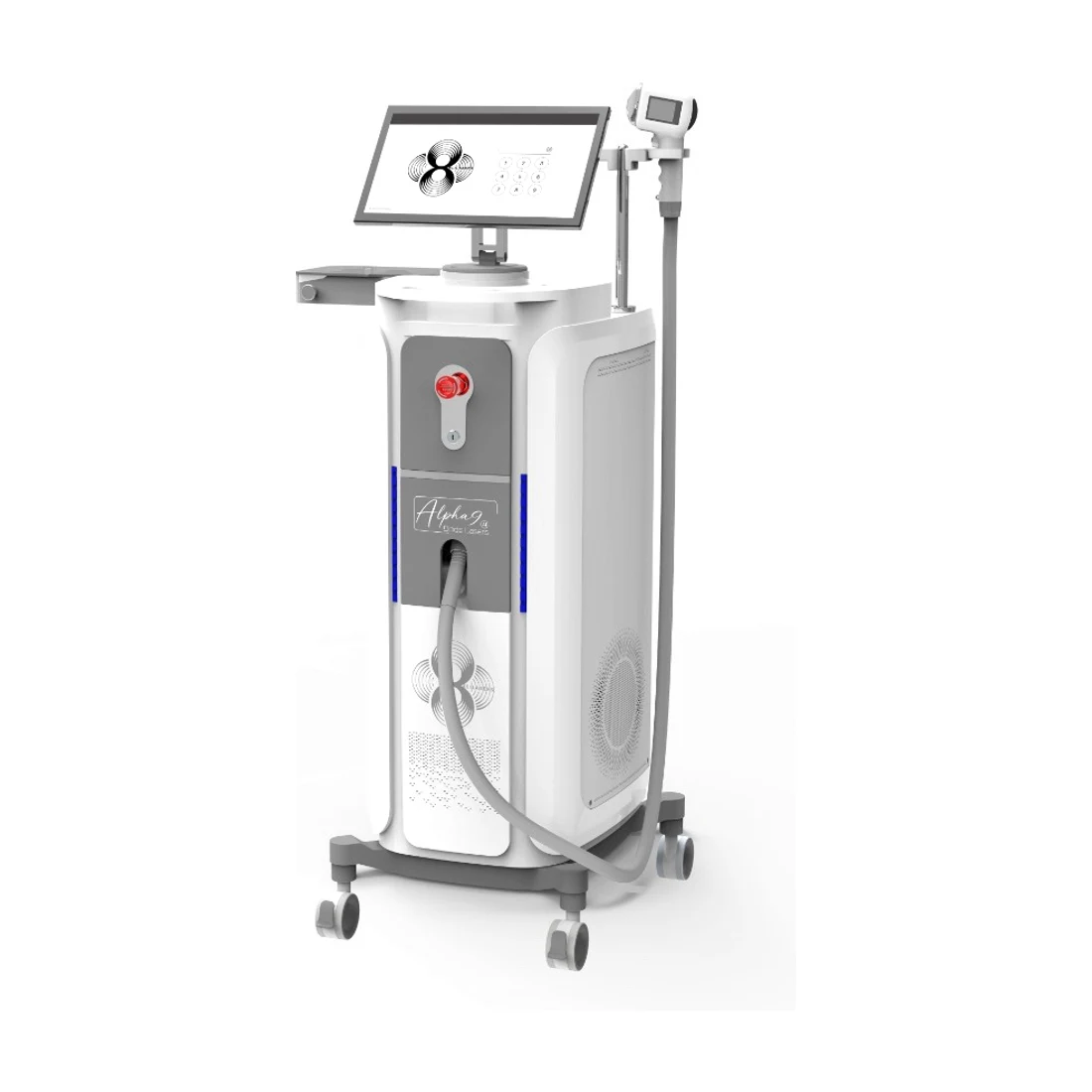
ALPHA9™ AI Skin – professional diode laser for hair removal and skin rejuvenation
ALPHA9™ AI Skin is a new-generation professional diode laser with a built-in camera and AI skin analysis. 3000 W of power, three wavelengths (755, 808 and 1064 nm) and three working modes — HR, SHR and SHR STACK — cover both fast hair removal and skin rejuvenation treatments. The camera scans the skin, the AI produces an analysis report and proposes treatment parameters, and the practitioner makes the decision. The same tips are also used for facial lifting treatments with the SHR and SHR STACK methods.
- Offer: skin analyzer included (€2,480) — only 5 sets
- 3000 W of power (200 W × 15)
- Three modes: HR, SHR and SHR STACK
- AI skin analysis with a diagnostic report
- Facial lifting with the same tips
- Four interchangeable tips or a fixed 15×30 mm tip
- 3-year warranty with no limit on laser shots
- Individual training included in the price
How quickly can it pay for itself?
ALPHA9™ AI Skin — more than hair removal.
This is a floor-standing diode laser built for salons and clinics that need both throughput and a wider range of services. Its 3000 W come from fifteen 200 W diodes, and super pulse technology (SPT) allows work at up to 20 Hz with a 5 ms pulse.
Besides hair removal, the device is intended for skin rejuvenation, restoring tone and brightening. The controls run on Android 11, with remote OTA updates, cloud services and CRM support.
AI skin analysis — smarter parameter selection
A camera built into the device scans the skin before the treatment. The analysis runs in four steps:
- Scanning and capture — the camera records an image of the skin.
- AI analysis — the system processes that image.
- Diagnostic report — a report on the condition of the skin is generated.
- Proposed parameters — treatment parameters are suggested and can be applied with one tap.
According to the manufacturer, energy reproduction accuracy is ±20 %. Note: the AI does not replace the practitioner — it helps to assess the skin and suggests suitable parameters, while the decision and the responsibility remain with the practitioner.
Three modes: HR, SHR and SHR STACK
The modes differ not in power but in how the energy is delivered to the skin — and that is what decides what the treatment actually does.
- HR — the classic hair removal mode: separate, powerful pulses on each spot.
- SHR (In-Motion) — the tip glides continuously over the skin and builds heat evenly and gradually across a 5×5 or 10×10 cm area. The protocol target is 40–42 °C. The skin does not overheat, so the treatment is gentler.
- SHR STACK — the tip is held on one point and a series of 3–5 pulses is delivered (stack — to place one on top of another). The energy does not spread across an area but concentrates deeper, where tissue needs to contract.
In practice both methods work together: STACK contracts, SHR warms evenly. This is the main difference from an ordinary diode laser, which can only remove hair.
Three wavelengths: 755, 808 and 1064 nm
The device emits three wavelengths. 755 nm is absorbed more strongly by melanin, 808 nm is the main hair removal wavelength and penetrates deeper, and 1064 nm reaches the greatest depth and is safer on darker skin. Together they let one device cover a wider range of skin and hair types.
In facial treatments each wavelength has its own job: 755 nm works in the superficial layer of the dermis and improves skin tone and evenness, 808 nm activates the deep dermis and stimulates elastin and collagen fibres, and 1064 nm reaches deepest — the supporting structure along the jawline. That is what is used for V-line contouring. A laser works through the pigment in the hair, so very light and grey hair is better treated with electrolysis.
Facial lifting: a second service from the same device
ALPHA9 is not only a hair removal laser. The same tips — 15×15 mm (2.25 cm²) and 15×30 mm (4.5 cm²) — are also used for facial lifting treatments. No extra accessory is required, and the salon gains a second service for the same clients.
The treatment follows a defined protocol. The face is divided into five anatomical vectors — mandibular, zygomatic, nasolabial, periorbital and submental. One half of the face is treated at a time: first STACK (a series of 3–5 pulses on each point, at 90°, with up to 10 % overlap), then the same half with SHR In-Motion for even warming. It finishes with one light SHR pass over the whole face and SPF 50.
Course: four treatments every two weeks. Combining with injectables: botulinum toxin can be given the same day or 1–3 days later; after fillers, wait 3–4 weeks before a treatment, and after a course of lifting, fillers are recommended 1–2 weeks later.
All of these methods are taught in the training included in the price of the device.
Tips and two configurations
The device is available in two configurations at the same price:
- Four interchangeable tips — Φ6, 15×15, 15×20 and 15×30 mm, 3000 W. Versatile: from small facial areas to large body areas.
- A fixed 15×30 mm tip — 2400 W. A fixed tip cools better and is gentler on the diode, so the device lasts longer.
We will help you decide which configuration suits your work during the consultation.
Specifications
| Intended for | Hair removal, skin rejuvenation |
| Main functions | HR, SHR, SHR STACK |
| Laser power | 3000 W (200 W × 15) with interchangeable tips · 2400 W (200 W × 12) with the fixed 15×30 mm tip |
| Wavelengths | 808 nm, 755 nm, 1064 nm |
| Spot size | Φ6, 15×15, 15×20, 15×30 mm |
| Pulse width | 5–100 ms |
| Frequency | 1–20 Hz |
| Cooling | 550 W compressor, distilled water, PID temperature control 20–30 °C |
| Water pump | 2.0–3.5 l/min, adaptive to the handpiece |
| Filtration | Rotary filters (consumable, 250,000 l service life), water quality monitoring |
| Screen | 15.6 inch, 1920 × 1080, 300 cd/m² |
| Operating system | Android 11.0 |
| Control software | SmartDepi 5.0 |
| AI skin analysis | Yes, free of charge |
| Remote OTA updates | Yes |
| Cloud services | Yes |
| Power supply | 4500 W, 220 V 50–60 Hz |
| Ingress protection | IP54 |
| Operating conditions | 10–35 °C, humidity ≤ 60 % |
| Device size / weight | 465 × 550 × 1350 mm / 89 kg |
| Packed size / weight | 660 × 770 × 1290 mm / 116 kg |
| Warranty | 3 years, with no limit on laser shots |
Frequently asked questions
ALPHA9™ AI Skin – the device and what it can do
ALPHA9™ AI Skin is a professional next-generation triple-wavelength diode laser for long-term reduction of unwanted hair and for additional facial skin treatments. The device combines three energy delivery modes — HR, SHR and SHR STACK — an integrated AI skin analysis system and 755 nm, 808 nm and 1064 nm wavelength technology. It is a versatile platform for beauty salons, aesthetic cosmetology practices and professional clinics that want to offer more different services from a single device.
Ordinary diode lasers are usually built around one main function — hair removal. ALPHA9 offers more:
- HR — classic laser hair removal.
- SHR — gradual build-up of thermal energy using the In-Motion method.
- SHR STACK — concentrated pulse delivery at a single point.
- AI — an integrated camera and AI skin analysis.
- Facial skin treatments — additional methods using SHR and SHR STACK.
- Three wavelengths — 755 nm, 808 nm and 1064 nm.
The main purpose of the device is professional hair removal. In addition, following the methods supplied by the manufacturer, it can be used for facial skin rejuvenation, skin tone improvement and lifting treatments. One device can therefore serve two main service directions: long-term hair reduction and facial skin treatments.
You are not only buying a hair removal laser. The device makes it possible to widen your service range, use three different energy delivery modes, apply AI skin analysis and offer clients additional treatments. That lets you get more out of a single equipment platform and build a broader service portfolio.
ALPHA9 combines three energy delivery modes, AI skin analysis, several treatment methods and additional facial treatment options. That matters to salons that want not only to perform hair removal, but also to widen their service range, use smart technology and keep one more versatile equipment platform.
HR, SHR and SHR STACK – three energy delivery methods
These are three different ways of delivering laser energy, giving the practitioner more flexibility.
- HR (Hair Removal) — classic hair removal with individual laser pulses.
- SHR (Super Hair Removal) — the In-Motion method, where the applicator moves continuously across the treated area and energy is delivered through many pulses.
- SHR STACK — concentrated pulse delivery at one point, where the applicator is held in a set position and a series of pulses is delivered.
HR is the classic laser hair removal mode. Laser energy is delivered in individual pulses to selected areas of skin. This method allows precise control over the parameters of each pulse and is used on various body and facial areas where the individual assessment of the client allows it.
SHR (Super Hair Removal) is a method of delivering laser energy in which the applicator is moved continuously across the treated area of skin during the treatment. Energy is delivered through many repeated pulses, so the thermal effect builds up gradually. This method treats larger areas of skin evenly and is particularly relevant for large body zones.
In classic HR mode, energy is delivered in individual pulses to specific points. In SHR In-Motion mode the applicator moves continuously and the energy is distributed across many pulses. The SHR method allows heat to build up gradually in the treated area and gives more even coverage.
SHR STACK is a concentrated energy delivery method. Unlike SHR In-Motion, the applicator is not moved continuously but held in a chosen position. A series of 3–5 pulses is delivered at one point. Energy is thus concentrated in the chosen area, and the course of the treatment is controlled according to the selected protocol. This mode is also used for certain facial skin treatments.
In the case of ALPHA9, SHR STACK is a specifically defined pulse delivery method in which a series of pulses is delivered in one position. What matters is that the practitioner can choose not only the moving energy delivery method of SHR In-Motion, but also the concentrated pulse delivery of SHR STACK.
Yes. The mode is chosen according to the purpose of the treatment, the size of the area, the skin phototype, the hair characteristics and the individual assessment of the client. HR and SHR are primarily for hair removal, while SHR STACK adds options for concentrated work and facial skin treatments.
Yes. In the ALPHA9 method these modes can be combined within one facial treatment. SHR STACK is used at the defined treatment points and vectors, and SHR In-Motion for more even energy distribution. That combination gives the practitioner more methodological options than using a single mode.
No. What the client feels depends on individual sensitivity, the condition of the skin, hair density, the area being treated and the chosen parameters. The SHR method and contact cooling of the applicator can help make the treatment more comfortable, but the complete absence of pain cannot be guaranteed.
The practitioner is not limited to one method of delivering laser energy. Depending on the treatment, it is possible to choose individual pulses, continuous movement across the skin, or a concentrated series of pulses at one point. That gives more flexibility in planning treatments and serving clients with different needs.
Three wavelengths – 755 nm, 808 nm and 1064 nm
Laser light of different wavelengths has different optical properties, including melanin absorption and depth of penetration into tissue. ALPHA9 uses 755 nm, 808 nm and 1064 nm, so the practitioner has more scope to adapt treatment parameters to different skin phototypes and hair characteristics.
- 755 nm — more strongly absorbed by melanin and often used with lighter skin phototypes and pigmented hair.
- 808 nm — the widely used diode hair removal wavelength, with a balance of melanin absorption and penetration depth.
- 1064 nm — less absorbed by epidermal melanin and penetrating deeper, so it can be relevant when working with darker skin phototypes.
Yes. The three ALPHA9 wavelengths — 755 nm, 808 nm and 1064 nm — are emitted simultaneously. That combination covers different melanin absorption and penetration-depth characteristics within a single pulse, so treatment parameters can be adapted to a wider range of skin phototypes and hair characteristics.
A triple-wavelength system gives more scope to work with different skin phototypes, including darker ones. Even so, whether a treatment is appropriate does not depend on the wavelength alone. The practitioner must assess the condition of the skin, any tan, hair pigmentation and individual contraindications, and choose safe parameters.
Laser hair removal is based on the absorption of light energy by melanin in the hair. Sufficiently pigmented hair therefore responds best. Very light, white, grey and red hair usually does not contain enough suitable pigment, so the results of laser removal can be limited. In such cases electrolysis may be considered.
The integrated AI system
A camera built into the body of the device captures an image of the skin being treated. The AI system processes that information, produces a skin analysis report and suggests treatment parameters. The main stages are: capturing the skin image, processing the image with AI, producing the analysis report and presenting the recommended treatment parameters. This is an additional aid for the practitioner, not an independent diagnostic or treatment system.
The AI system analyses the captured skin image and suggests recommended parameters. The practitioner can review the suggestions and accept or adjust them according to the individual situation of the client. The final decision and the responsibility for carrying out the treatment remain with the practitioner.
Yes. The integrated AI system analyses the skin image captured by the camera, produces an analysis report and suggests treatment parameters. That helps the practitioner assess the starting point faster and make an informed decision. The final choice of parameters is always made by the practitioner.
The AI function helps standardise the initial skin assessment, prepare recommended parameters faster and give the client additional information about how the treatment is planned. It can also become an additional advantage for the image of a professional salon, because the client can be shown not only the treatment itself but also how it is prepared.
Yes. The system produces a skin analysis report that can be used during the consultation. That lets the practitioner present the treatment plan more clearly and explain the chosen parameters.
No. Artificial intelligence is an assisting technology. It helps process visual information and suggests parameters, but it does not replace professional knowledge, the client consultation, the assessment of contraindications or the responsibility of the practitioner.
Facial skin rejuvenation and lifting methods
Yes. Besides hair removal, ALPHA9 has additional facial skin treatment methods that use the SHR and SHR STACK modes. The purpose of these treatments is a controlled thermal effect and improvement of the appearance, tone and firmness of the skin. Results depend on the individual condition of the skin and the chosen treatment protocol.
Yes. Following the method supplied by the manufacturer, additional facial skin treatments can be performed using SHR STACK and SHR In-Motion. Work follows the anatomical areas of the face and a predefined treatment protocol. Treatments may only be performed by a suitably trained practitioner observing laser safety requirements.
No. With the ALPHA9 configuration, the same laser applicators are used for facial treatments. There is no need to buy a separate lifting applicator.
The method supplied by the manufacturer provides for a course of four treatments, carried out roughly every two weeks. The exact number of treatments and the intervals must be chosen individually according to the condition of the client's skin, their response and the method applied.
Whether treatments can be combined depends on the specific treatment, the materials used and the condition of the client. It is particularly important to take account of recent injectable treatments, botox and fillers. Before combining treatments, the manufacturer's safety protocol and the recommendations of the practitioners performing those treatments must be followed.
Hair removal effectiveness and the course of treatment
The number of treatments depends on the hair growth cycle, the body area, hair pigmentation and density, the skin phototype and individual hormonal factors. A course of several treatments is usually needed, because the laser acts most effectively on hair that is in the active growth phase.
The intervals depend on the area being treated and the individual hair growth cycle. Different intervals may apply to facial and body areas. The practitioner sets the schedule according to the client's response and how the hair regrows.
No. Laser hair removal is a course treatment. Some hair may be reduced after the first session, but a course of treatments is needed to achieve long-term hair reduction. Some clients may later need maintenance treatments.
Yes. The device is intended for various facial and body areas. Different applicator sizes make it possible to choose a suitable working area. Each treatment is carried out after assessing the condition of the skin, the hair characteristics and any contraindications.
Yes. ALPHA9 can be used for men's facial and body hair removal, including the back, chest, shoulders and other areas. Because hair is denser in some areas, parameters and the treatment schedule may need to be chosen individually.
A triple-wavelength system gives more scope to work with different skin phototypes. The 1064 nm wavelength is less absorbed by epidermal melanin. Even so, darker skin calls for particular care. The practitioner must assess the skin phototype, any tan and sensitivity, and choose the corresponding parameters.
Technical characteristics, applicators and cooling
In the four-interchangeable-applicator configuration, 15 laser diodes of 200 W each are used, so the total nominal diode power is 3000 W. In the fixed 15 × 30 mm applicator configuration, 12 diodes of 200 W each are used, giving a total nominal power of 2400 W. This is the nominal power of the laser diodes, not a measure of the optical energy delivered directly to the skin.
Two configurations are available: four interchangeable applicators (Φ6, 15 × 15 mm, 15 × 20 mm and 15 × 30 mm) or one fixed 15 × 30 mm applicator. The four-applicator configuration gives more flexibility when working with different body and facial areas.
The four-applicator version allows different working windows to be chosen according to the treatment area and has a nominal diode power of 3000 W. The fixed 15 × 30 mm applicator version has a nominal diode power of 2400 W and one universal working window. The choice depends on the nature of the salon's work, client flow and the treatments planned.
The device has an integrated water cooling system with a 550 W compressor, a water circulation pump and PID temperature control. The purpose of the cooling system is to maintain a stable working temperature for the laser components and the handpiece and to keep the device running reliably.
According to the technical specification, the water temperature is controlled within a range of 20–30 °C. PID control helps maintain the set temperature and a stable cooling process.
Yes. Contact cooling of the applicator is there to control the temperature of the skin surface during the treatment. It is an important part of comfort and skin protection.
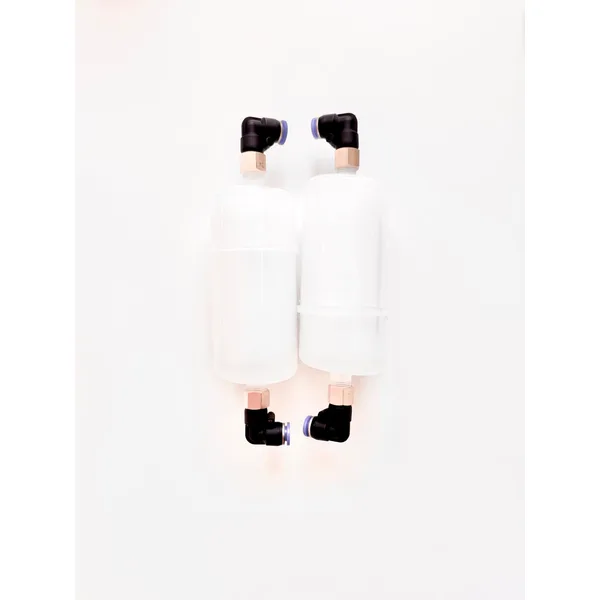
Distilled water is used. The manufacturer's schedule for changing the water, maintaining the filters and operating the cooling system must be followed.
The ALPHA9 technical specification states a pulse width of 5–100 ms and a frequency of 1–20 Hz. These parameters let the practitioner adapt energy delivery to the chosen mode, the treatment area and the individual characteristics of the client.
Safety and performing treatments
Our devices meet the requirements set for medical-purpose devices, but they are not classified as medical devices. The purpose of a device is declared by the manufacturer and is evidenced by the EU declaration of conformity, which we supply together with the device. Because of this, specialists without medical education can work with them. You must, however, check the rules of your own country yourself, or contact us about this question.
No. Like any professional laser equipment, ALPHA9 must be used in accordance with the manufacturer's instructions, the treatment protocols and laser safety requirements. Before a treatment, the condition of the skin, the phototype, any tan, medication being taken and possible contraindications must be assessed.
Tanned skin calls for extra care, because the increased amount of melanin in the epidermis can raise the risk of unwanted reactions. A treatment is carried out only after assessing the condition of the skin and confirming that the manufacturer's protocol allows it. The 1064 nm wavelength alone does not guarantee safety in every case.
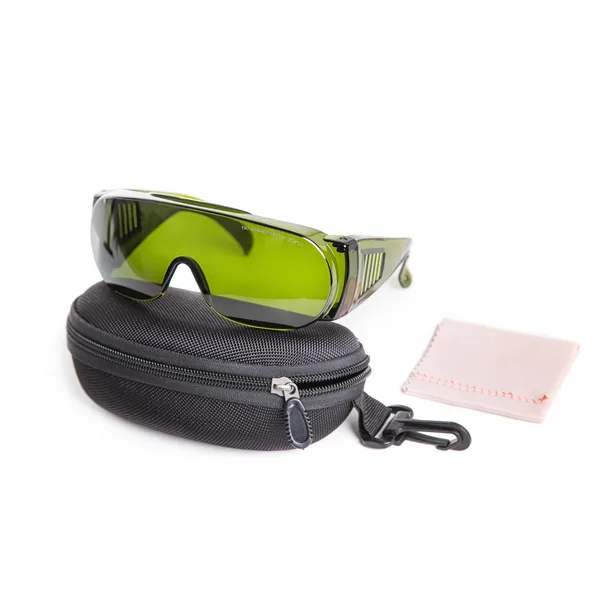
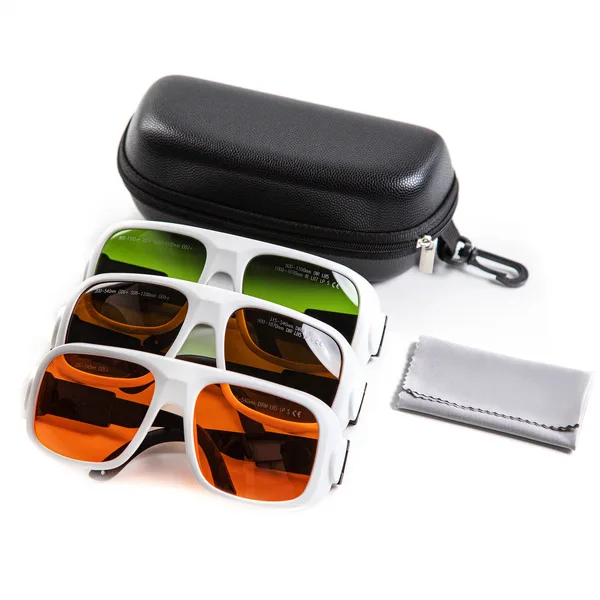
Yes. Laser treatments require protective goggles rated for the relevant laser wavelengths. Eye protection is mandatory for both the practitioner and the client.
Treatments may be contraindicated in cases of active skin infections, damage in the area to be treated, certain photosensitising conditions, the use of photosensitising medication and in other cases indicated by the manufacturer. Before every treatment the client must be interviewed and their suitability for the treatment assessed.
Training, warranty and support
Yes. Individual training is included in the price of the device. It covers operating the device, the HR, SHR and SHR STACK modes, choosing parameters, hair removal methods, the additional facial treatments and the principles of safe work. Training is for 1–2 people. A training certificate is issued on completion.
Previous experience is an advantage, but what matters most is having the appropriate professional preparation and the right to perform the specific treatments under the rules in force. The training explains the main principles of operating the device and the working methods. Training does not replace a professional qualification required by law, where one is required.
No. ALPHA9 has a large 15.6-inch touchscreen and clear control software. The main working modes and parameters are presented in a convenient interface. The integrated AI system additionally helps analyse the skin image and presents recommended parameters.
Yes. ELi Lasers provides warranty and post-warranty service, advice on operating the device and technical support.
Yes. Clients are given consultations by telephone and remotely. For the first three months after delivery of the device, telephone consultations are free of charge.
ALPHA9 comes with a 3-year warranty with no limit on the number of laser shots. This means the warranty is not tied to a set maximum quota of laser pulses. The warranty applies according to the stated warranty conditions and the requirements for proper operation.
No. The number of ALPHA9 laser shots is not limited by a separate quota of paid pulses. The 3-year warranty is likewise not tied to the number of laser shots. This is an important economic advantage for busy salons.
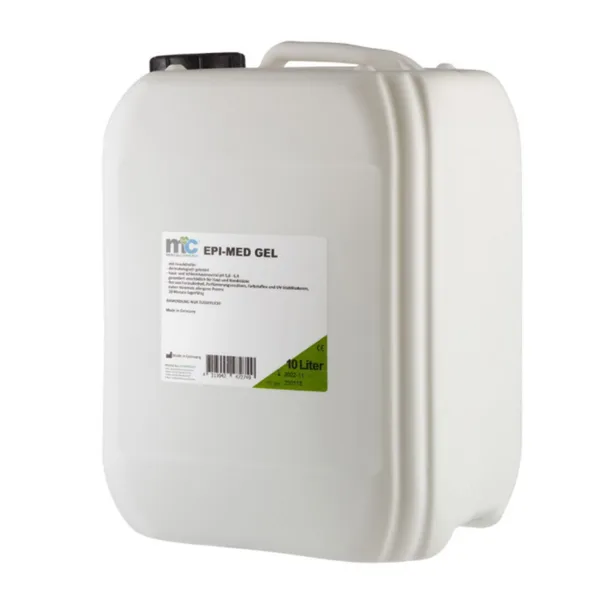
Day-to-day work requires distilled water, suitable protective equipment and treatment gel where the chosen method calls for it. The filters and the cooling system also have to be maintained according to the manufacturer's instructions.
Yes. ALPHA9 supports OTA (Over-The-Air) software updates, so available updates can be installed remotely.
Buying, investment and payback
The price of ALPHA9™ AI Skin is 16 500 € including VAT. The price includes individual training, preparation of the device for work and technical advice.
Yes. Companies registered in Lithuania can buy in instalments through Bigbank. Companies that are not registered in Lithuania are welcome to ask about special terms for acquiring a device with part of the payment deferred. Financing terms are set by the financing partner.
The payback period depends on the number of treatments performed, service prices, client flow and running costs. Because ALPHA9 can be used for several service directions, a salon can generate income not only from hair removal but also from additional facial skin treatments.
Yes, provided the planned activity and the investment budget match the level of professional equipment. The device can become the salon's main laser treatment platform, and the individual training helps prepare for work.
Yes. It can be an additional investment for a salon that wants to widen its service range, introduce AI skin analysis or offer additional facial treatments.
Yes. ELi Lasers consultants can present what the device can do, explain the differences between the HR, SHR and SHR STACK technologies, discuss the configuration and help choose the most suitable option for the work you plan. Get a free consultation or call +370 620 66666.
Supplies needed for the work
Similar equipment
Have a question?
Our specialists will answer any question about the equipment, training and financing quickly and properly.